 منصّة كوليس منصة إخبارية فنية إجتماعية عربية مستقلة


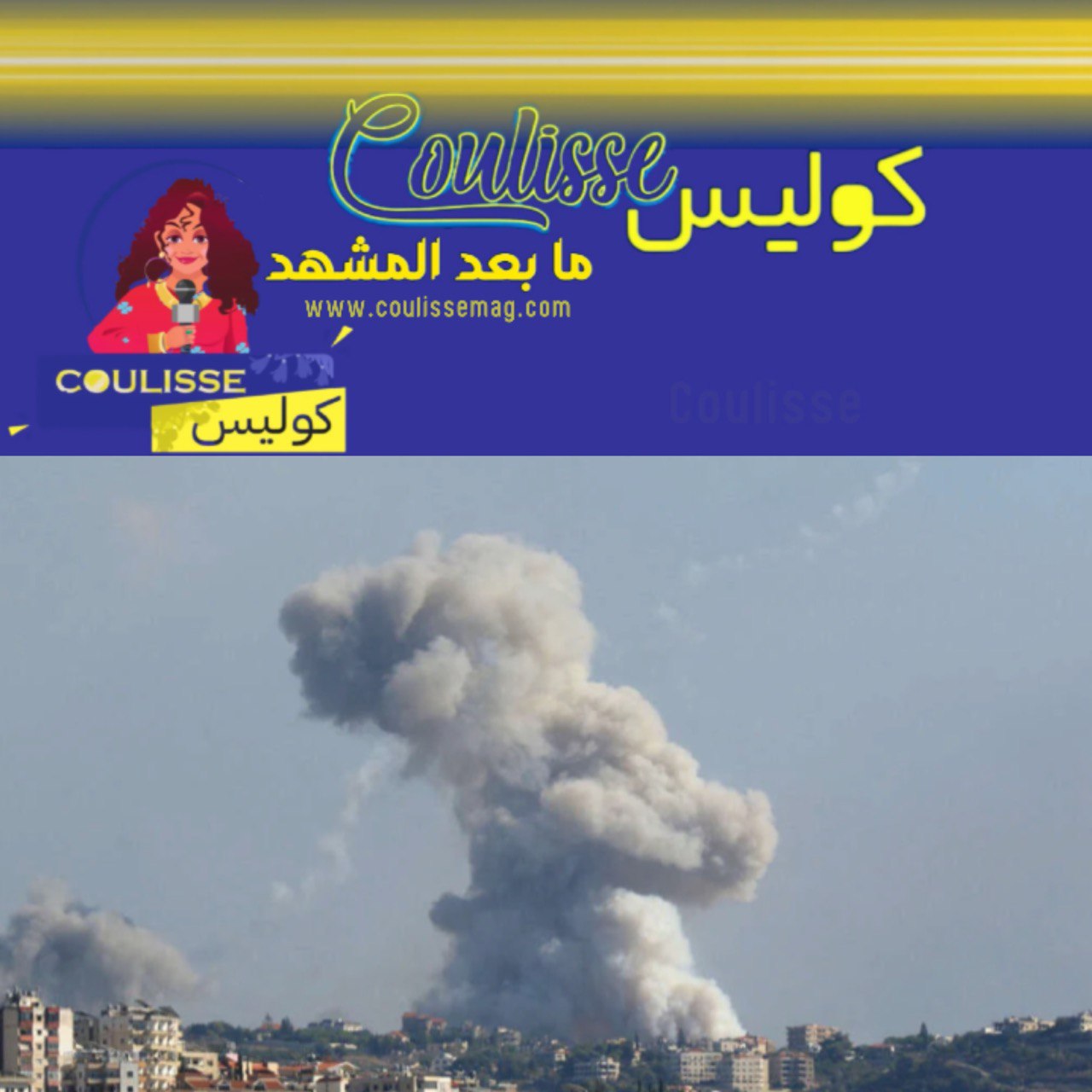
Lebanon has seen a tragic loss of over 2,000 lives, along with numerous injuries. Despite this, there is a noticeable silence from both Arab and global politicians and celebrities. In contrast, Gaza has garnered substantial international support, which surpasses the boundaries of the Arab region. This scenario prompts an essential analysis: what differentiates the situation in Gaza from that in Lebanon?
The disparity in global responses raises questions about potential underlying factors. Could it be geopolitical alignments, media coverage differences, or historical contexts that lead to such varied reactions? Additionally, could sectarian divisions be overshadowing the region’s collective struggles, posing a greater challenge than external threats like Israel? Understanding these dynamics is critical for comprehending the different responses to similar tragedies. It encourages a deeper examination of international priorities, media influence, and intra-regional relationships.
Addressing these issues might help bridge the gap in global awareness and response, ensuring balanced attention to crises across the region.
Coulisse